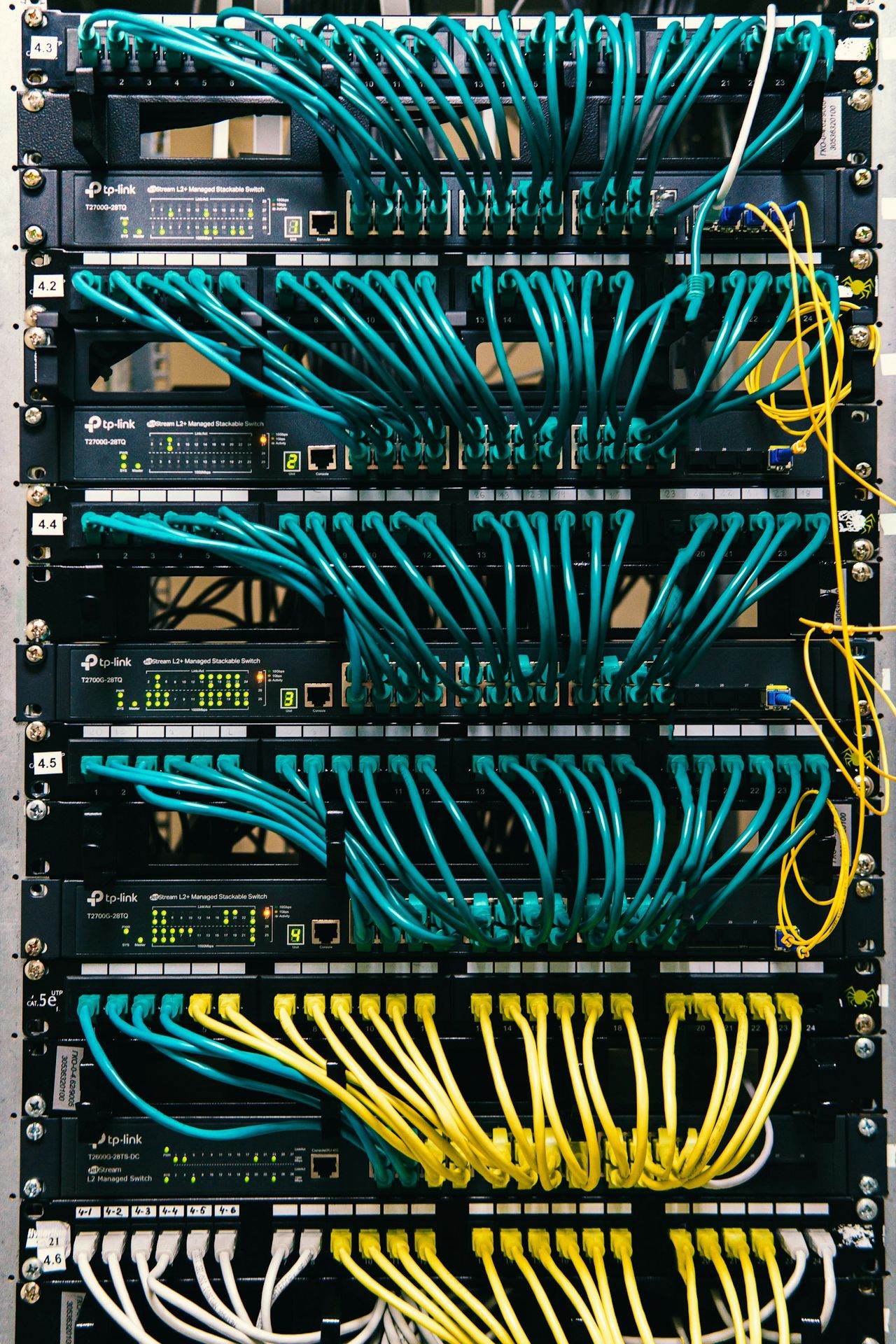
Network Infrastructure Solutions for Business
In this article
- What network infrastructure solutions for business actually cover
- Why the right infrastructure matters beyond connectivity
- Common signs your current network needs attention
- Core elements of effective network infrastructure solutions for business
- Cloud, hybrid work and changing network priorities
- Build in-house or partner with a provider?
- What to look for in a business network solution
When a business starts losing time to slow systems, patchy Wi-Fi, recurring outages or growing security concerns, the problem is rarely just the internet connection. More often, the issue sits deeper in the environment. Network infrastructure solutions for business are about building a stable, secure foundation that supports daily operations, protects data and gives the organisation room to grow without constant disruption.
For many small and mid-sized organisations, the network has evolved in pieces. A switch was added during an office move, wireless access points were installed as staff numbers increased, a firewall was replaced after a security review, and cloud applications were layered in over time. Each decision may have made sense at the time, but the result can be a fragmented environment that is harder to manage, troubleshoot and secure.
What network infrastructure solutions for business actually cover
Business leaders often hear the term and think of cabling, routers and internet access. Those components matter, but the scope is much broader. Network infrastructure includes the systems that move traffic, control access, connect offices and remote users, support cloud applications and keep business-critical services available.
That usually means switching and routing, wireless networks, firewalls, virtual private networks, structured cabling, network segmentation, monitoring tools, failover connectivity and the policies that govern how the environment is used. In practical terms, it is the operational backbone behind file access, voice services, line-of-business applications, remote work, cloud platforms and cyber security controls.
A sound solution is not defined by how much hardware is installed. It is defined by whether the environment is fit for the way the business actually works. A professional services firm with hybrid staff, for example, has very different requirements from a warehouse operation using mobile devices across a large site. The right design starts with business needs, not a generic hardware list.
Why the right infrastructure matters beyond connectivity
A weak network creates more than technical inconvenience. It affects productivity, customer service, compliance and business continuity. If staff cannot reliably access systems, if video meetings drop out, or if an outage stops sales or operations, the commercial impact is immediate.
Security is another major factor. Older or poorly configured environments often make it easier for attackers to move through systems once they gain access. Flat networks, inconsistent patching and limited visibility can turn a minor incident into a serious operational problem. Stronger infrastructure helps reduce that exposure by improving segmentation, visibility and control.
Scalability also matters. Growth often exposes the limits of infrastructure decisions that were made for a smaller team or a single site. Adding new users, opening another location or increasing cloud usage should not require a complete rethink every time. Good network planning creates headroom, so the business can expand without creating avoidable instability.
Common signs your current network needs attention
Some infrastructure problems are obvious, such as frequent downtime. Others are easier to dismiss because teams adapt around them. That is often where hidden cost builds up.
Recurring complaints about slow applications, dead spots in the office, unreliable remote access and ongoing workarounds are all warning signs. So is a network environment that only one person understands, or one that has little documentation and no clear performance baseline. If a business cannot quickly identify what is connected, where traffic is flowing or how systems would behave during a failure, risk is already higher than it should be.
There is also a strategic warning sign - when technology decisions are being driven by short-term fixes rather than an agreed plan. That usually leads to overspending in some areas, underinvestment in others and more operational friction over time.
Core elements of effective network infrastructure solutions for business
The most effective approach combines design, implementation, security and ongoing management. One without the others tends to create gaps.
Network design aligned to business operations
A good design reflects how people, devices and applications interact across the business. That includes office-based teams, remote workers, guest users, cloud services, voice traffic, mobile devices and any operational technology that must stay connected.
Capacity planning matters here. Under-sized infrastructure leads to performance bottlenecks, while over-engineering can waste budget. The right balance depends on current demand, likely growth and the criticality of each service.
Security built into the network
Security should not sit off to the side as a separate layer added later. Firewalls, access controls, segmentation, secure remote access and monitoring all need to be part of the design from the beginning.
This is particularly important for businesses adopting more cloud services or supporting hybrid work. The traditional office perimeter is no longer enough on its own. Network controls need to account for users and devices connecting from different locations, often outside standard business hours.
Performance and resilience
Resilience is not just about avoiding total outages. It is also about reducing the frequency and impact of smaller disruptions that interrupt work. Redundant links, properly configured failover, device health monitoring and proactive maintenance all contribute to a more dependable environment.
Performance monitoring is just as important. Without visibility, issues are usually addressed after staff report them. With the right monitoring, many problems can be identified and resolved before they affect the wider business.
Ongoing support and lifecycle management
Even a well-designed network will deteriorate if it is not maintained. Firmware updates, configuration reviews, asset tracking, documentation and vendor lifecycle planning all matter.
This is where many businesses run into trouble. Internal teams are often stretched across support, projects, security and day-to-day troubleshooting. As a result, network maintenance becomes reactive. A managed services model can close that gap by providing oversight, support and strategic planning on an ongoing basis rather than waiting for a major incident.
Cloud, hybrid work and changing network priorities
Business networks are no longer confined to one office or server room. Cloud platforms, software-as-a-service applications and distributed teams have changed what infrastructure needs to deliver.
That does not mean on-premises networking is less important. In many cases, it is more important because it now has to support a mix of local systems, internet-based services, video collaboration, remote access and stricter security requirements. Traffic patterns have changed, and many legacy environments were not designed for that shift.
The practical implication is that businesses need a clearer view of where applications live, how users access them and what level of performance each service requires. A network that was acceptable five years ago may now be a source of friction simply because the operating model has changed.
Build in-house or partner with a provider?
For some organisations, internal IT can manage network infrastructure effectively, particularly if the business has the scale to support specialist skills and after-hours coverage. For many others, that is not realistic. Networks now sit at the intersection of connectivity, security, cloud integration and business continuity. Keeping all of that current requires time and expertise.
Working with a provider can offer broader capability and more consistent oversight, but the value depends on the model. A transactional supplier may install equipment and move on. A strategic technology partner takes responsibility for how the environment performs over time, how it is secured and how it evolves as the business changes.
That distinction matters. The real benefit is not simply outsourcing tasks. It is creating accountability across design, support, risk reduction and long-term planning. For businesses that want fewer gaps between infrastructure, security and support, that joined-up approach is often more effective.
What to look for in a business network solution
The strongest solutions are not necessarily the most complex. They are the ones that fit the organisation, reduce operational friction and support future needs without unnecessary spend.
Look for clear documentation, practical security controls, visibility into performance, realistic resilience measures and a support model that does not leave gaps between incidents. Also look for commercial alignment. Technology decisions should make sense in terms of uptime, productivity, risk management and scalability, not just device specifications.
A provider such as SS NovaTech should be able to explain not only what is being recommended, but why it suits your operating environment, how it will be supported and what risks it is designed to reduce. That business context is what turns infrastructure from a cost centre into a stable platform for growth.
The most useful next step is usually not a wholesale replacement. It is a clear assessment of what the network is doing well, where it is exposed and what should be addressed first. When infrastructure is planned with that level of discipline, technology stops getting in the way of the business and starts doing the job it is meant to do - quietly, reliably and with less drama.
Keep reading
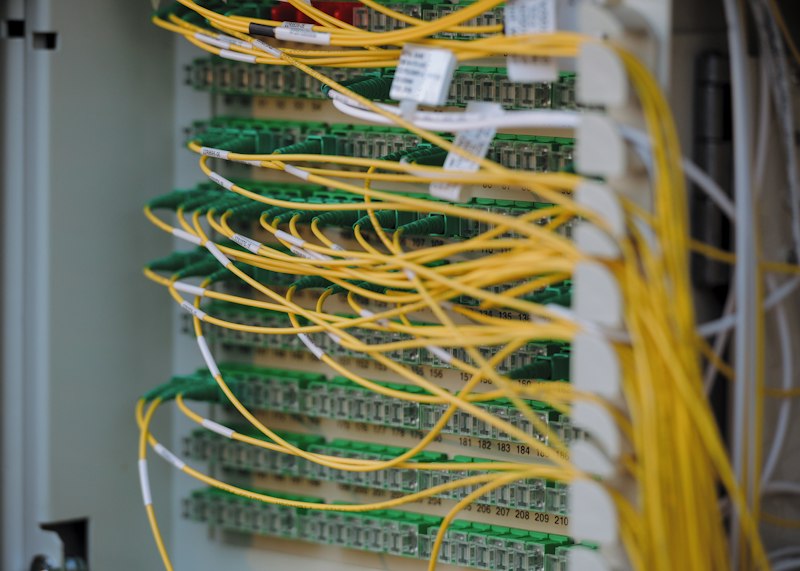
How to Improve Business Network Uptime Reliably
Learn how to improve business network uptime with practical monitoring, redundancy, security and support measures that reduce costly disruption each day.
Read article
IT Support for Remote Teams That Keeps Work Moving
IT support for remote teams protects productivity, devices and data through responsive help, standards and secure systems for Australian businesses today.
Read article
Cloud Governance Framework Guide for Business
This cloud governance framework guide helps Australian businesses control cloud spend, security and access while keeping operations reliable as they grow.
Read article
Want this handled for your business?
Tell us what you run today and we will tell you what we would change. We reply to every enquiry within one business day. For a critical issue, call and we respond within 30 to 60 minutes.